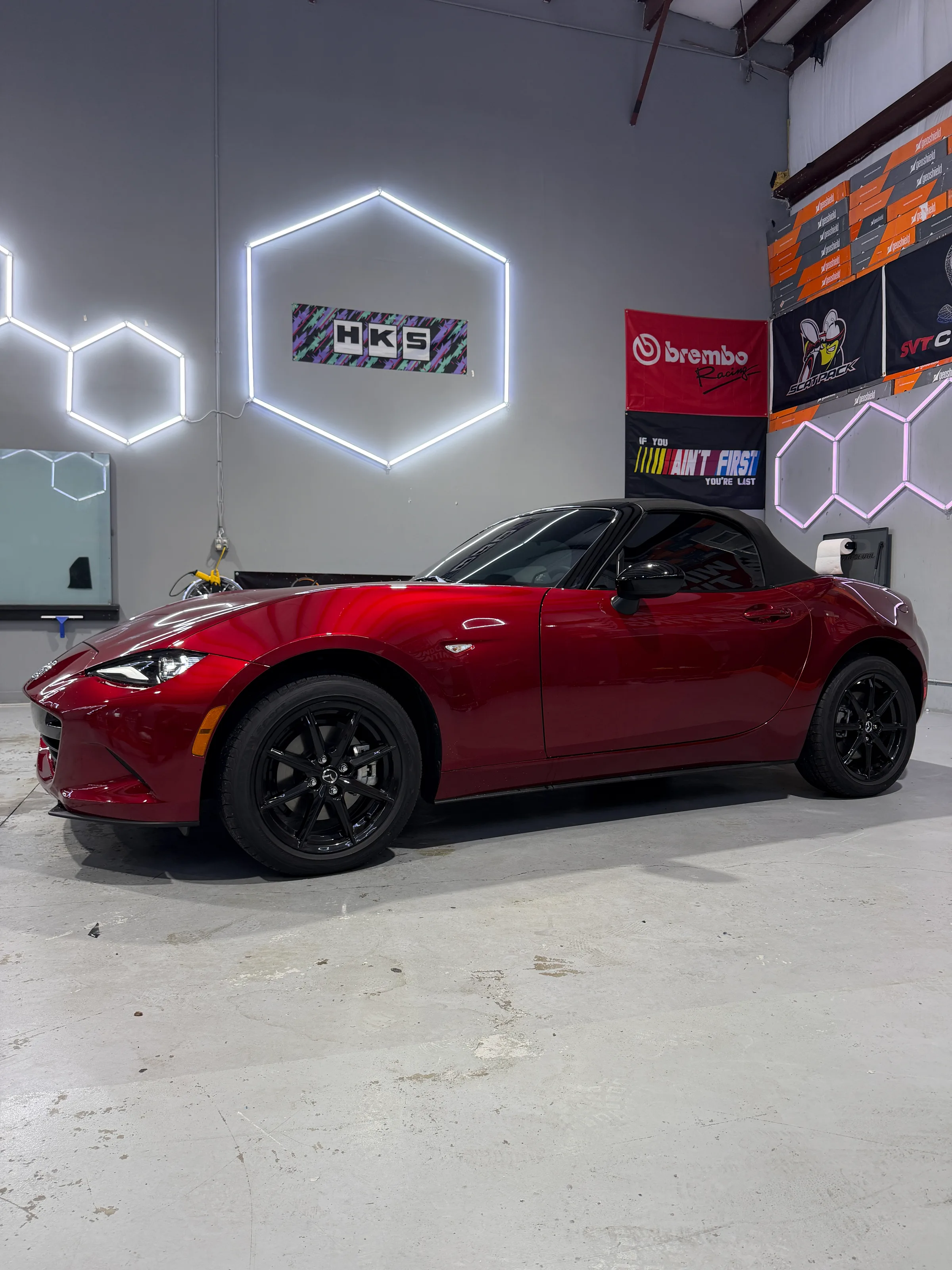
Automotive Window Tinting in, Panama City FL.
Top Tint's trusted automotive window tinting service. Premium ceramic films, certified installation, and lifetime warranty.
Understanding Window Tint
A little knowledge goes a long way. Here are the terms that matter most when you pick your tint.
What VLT Means
Simply put, VLT is how much light gets through the glass. The lower the number, the darker the tint.
VLT stands for Visible Light Transmission, the percentage of light that passes through the film and glass. A lower VLT number means a darker tint. A 5% VLT limo tint lets very little light through, while a 70% tint is nearly clear. Most states measure front side windows by VLT, so the number matters for staying legal as much as for the look you want.
Infrared (IR) Heat Rejection
Simply put, infrared is the heat you feel coming through a window, and IR rejection is how much of it the film stops.
Infrared is the part of sunlight you feel as heat on your skin. IR heat rejection measures how much of that heat the film blocks before it reaches your cabin. Ceramic and ceramic IR films reject far more infrared than standard dyed or carbon film, which is why a light ceramic tint can keep your car cooler than a much darker cheap film. More IR rejection means a cooler seat and less strain on your AC.
Window Tint Myths, Busted
A lot of what people believe about tint is out of date. Here is the reality on the three we hear most.
Myth: Tint Is Only About Looks
Reality. The right film blocks 99% of UV, rejects real heat, and cuts glare, so it protects your skin and interior every drive.
Myth: All Tint Is the Same
Reality. Cheap dyed film fades purple and bubbles. Carbon and ceramic films hold their color and reject far more heat.
Myth: Tint Ruins Visibility at Night
Reality. A legal shade installed by a pro keeps night visibility clear and actually reduces blinding headlight glare.
Florida Tint Laws
The number is how much light still gets through the glass. A lower number means a darker window. Florida sets the darkest you are allowed to go, so anything lighter than the number is legal.
Frequently Asked Questions
Common questions we get from customers, answered.
How long does window tinting take?
What’s the difference between Carbon and Ceramic window tint?
Will darker window tint block more heat?
Can I tint my windshield?
How long do I need to wait before rolling my windows down?
Are bubbles normal after getting my windows tinted?
Our Other Services
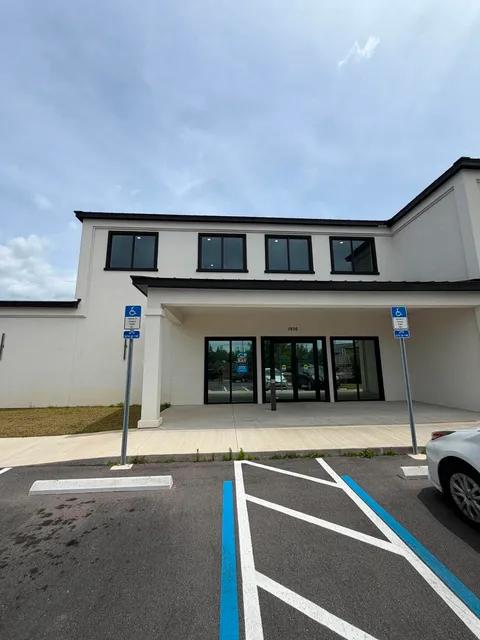
Home & Office Window Tint
Cut glare, lower heat, and protect your floors with professional-grade film that keeps comfort in every room.
Get an Estimate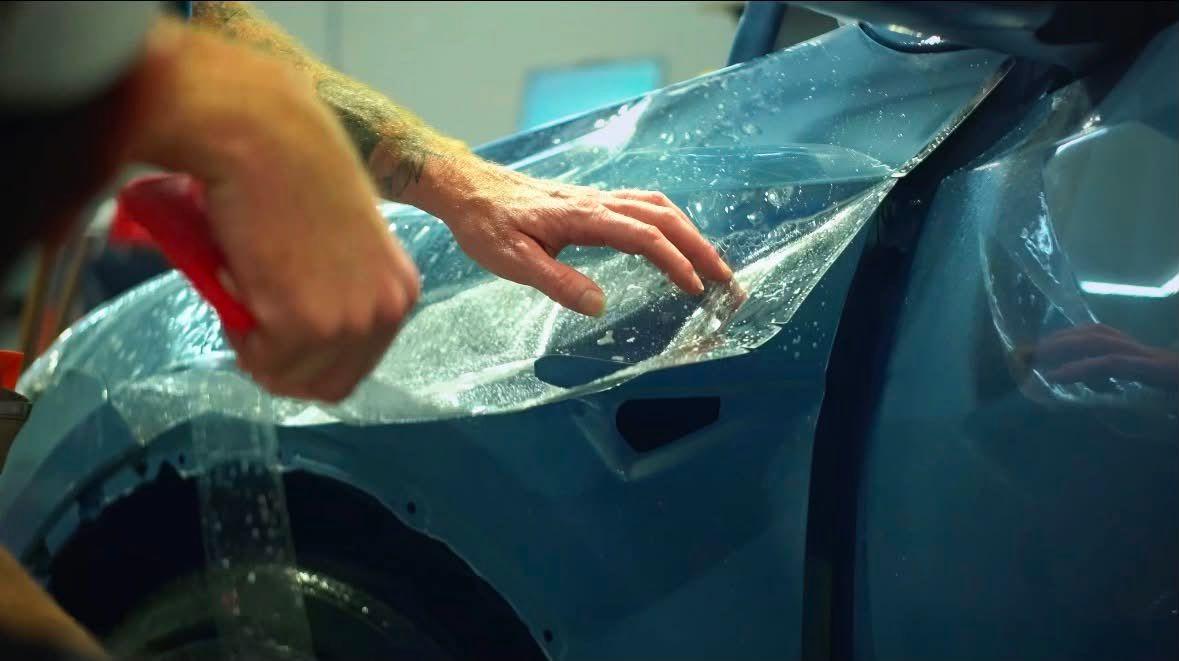
Paint Protection Film (PPF)
Invisible armor for your paint. Self-healing topcoat, hydrophobic finish, edge-wrapped on every panel.
Request Quote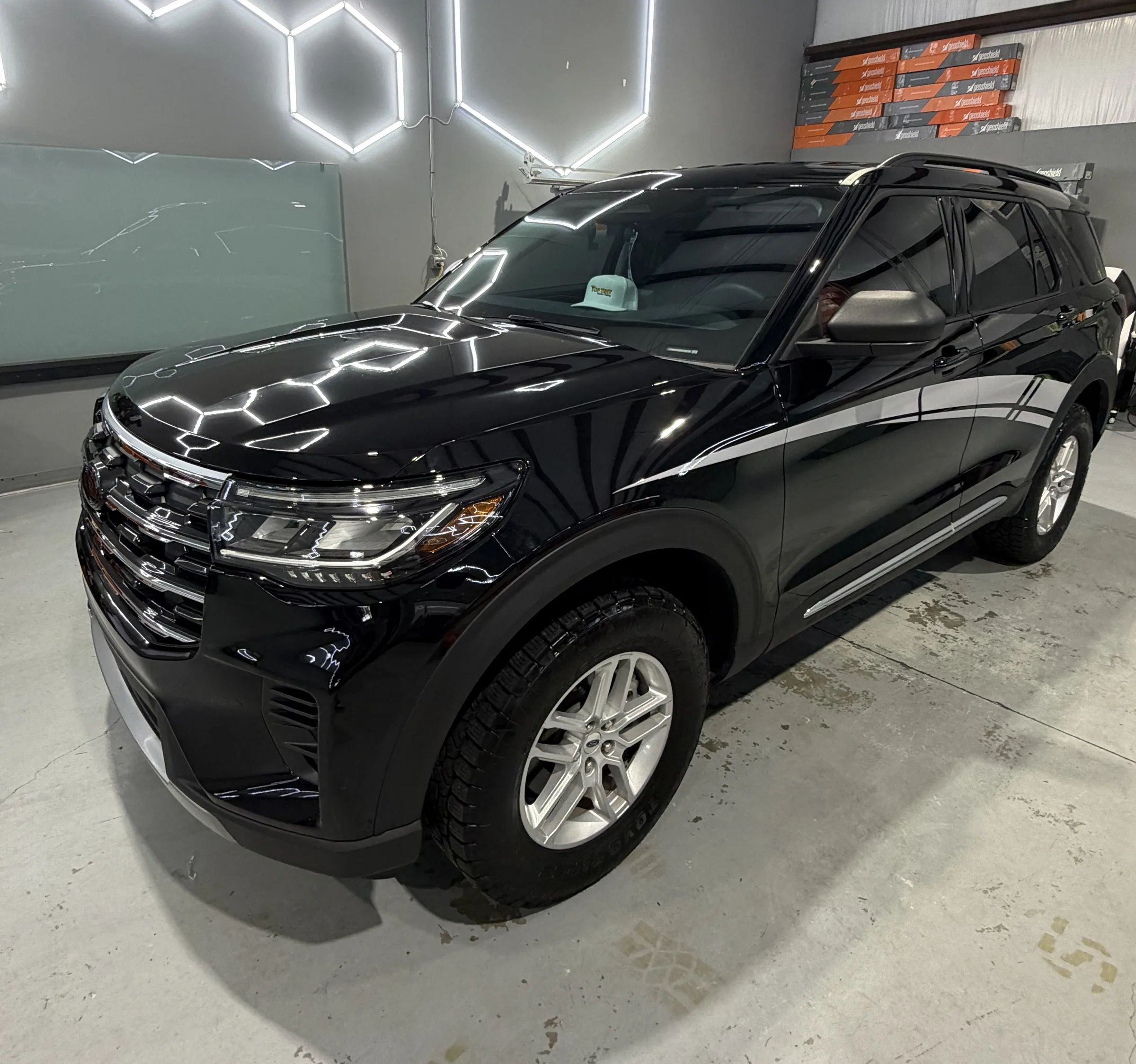
Ceramic Coating
A coating that cures onto your paint and leaves a slick, water shedding surface that is easier to keep clean.
Request Quote